Aquinas College Urban Arboretum
Aquinas College Urban Arboretum
Rooted in Dominican tradition, Aquinas College seamlessly weaves Roman Catholic values with a pioneering commitment to sustainability–embedding ecological stewardship into the heart of its curriculum, campus operations, and vibrant community culture.
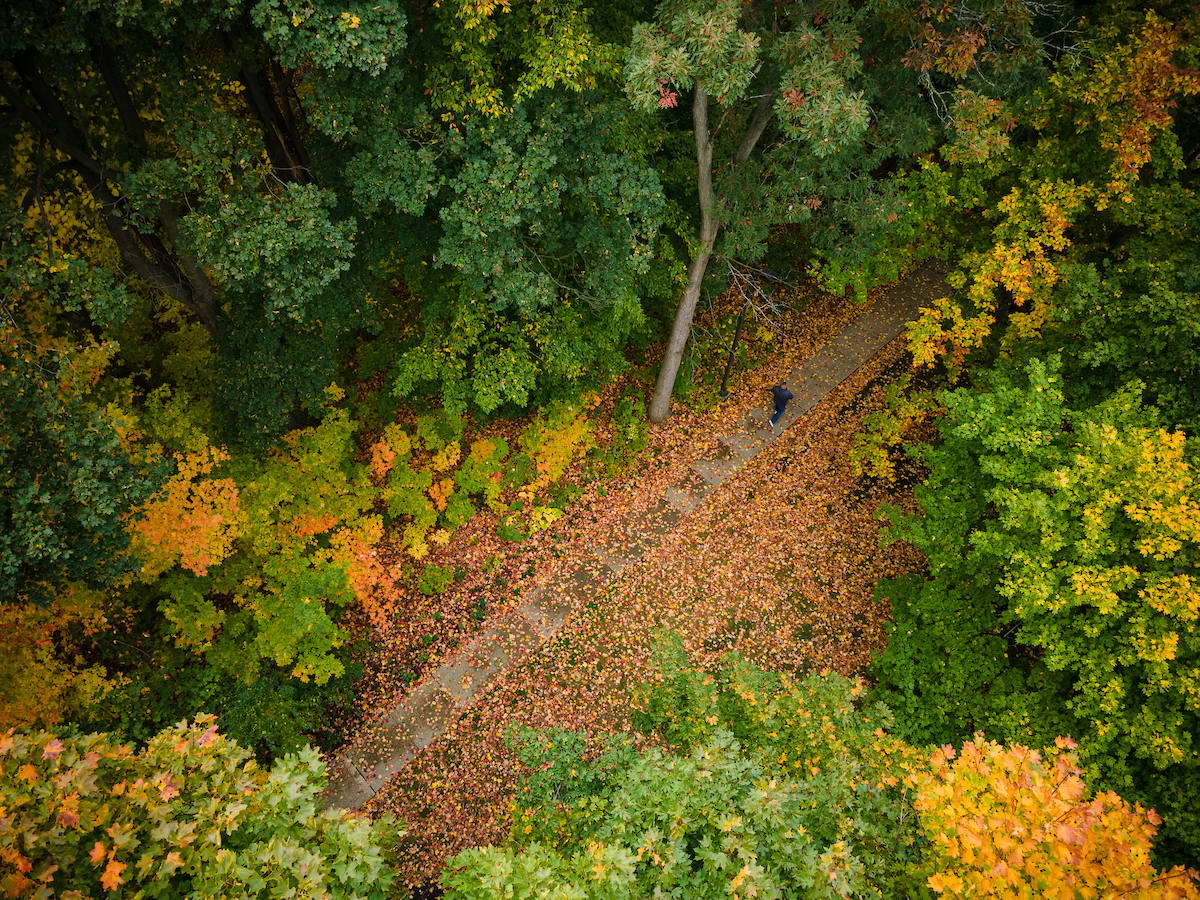
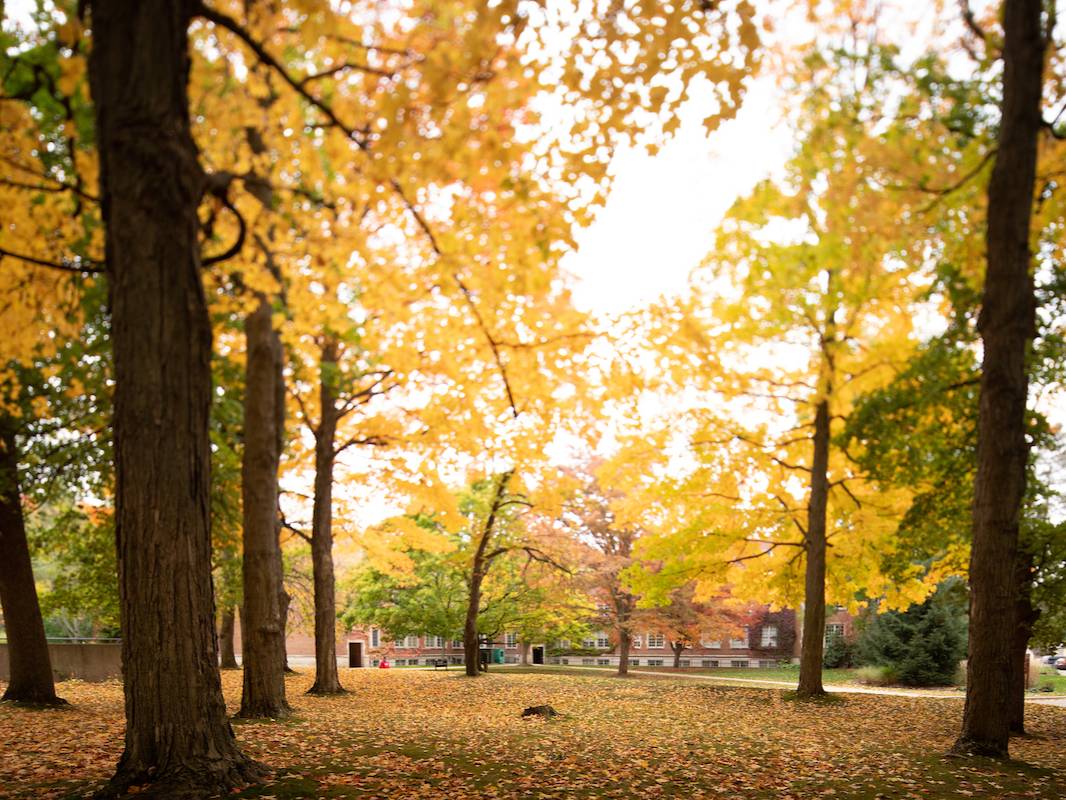
The Aquinas College Urban Arboretum was established in February 2026 and is home to over 10,000 trees representing over 130 different species. Nearly every tree species native to Michigan is represented in the arboretum.
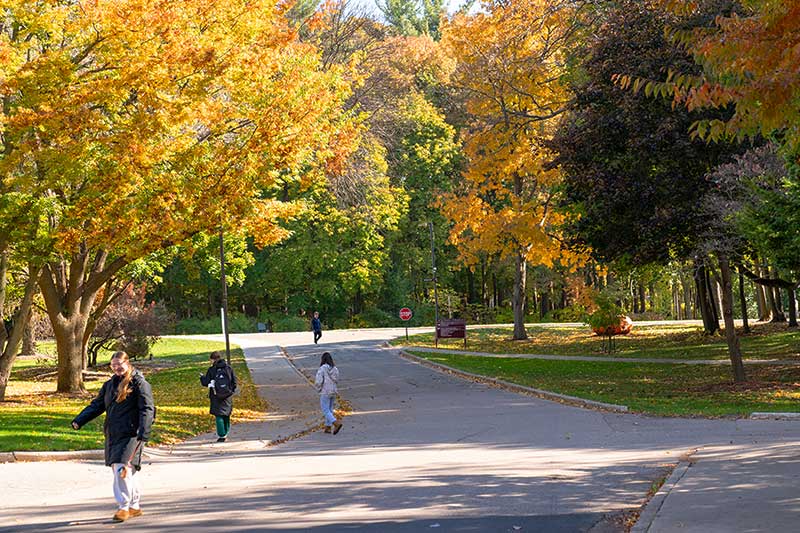
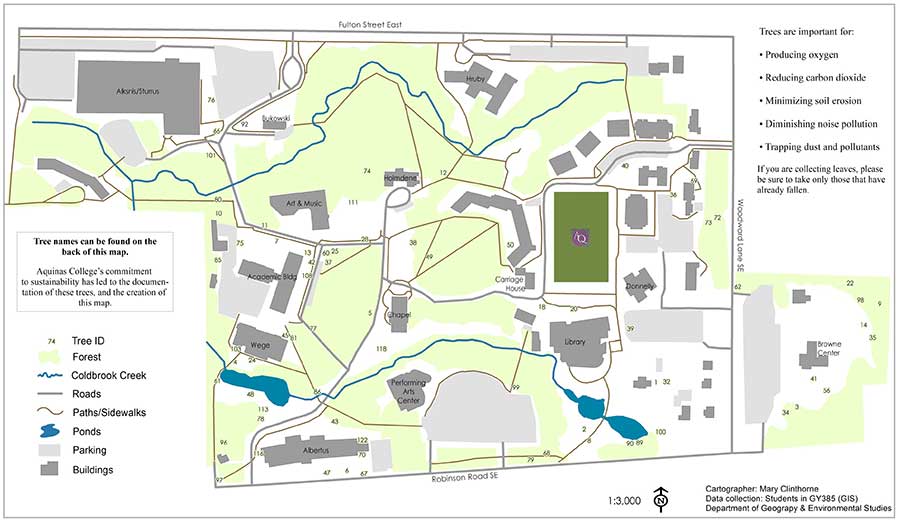 Open to the public and fully accessible, the grounds feature over 85 marked specimens,
as listed in the printable campus tree guide. Visitors can explore Aquinas College’s botanical diversity through an interactive tree map developed by Aquinas College Geography and Environmental Studies students. To identify
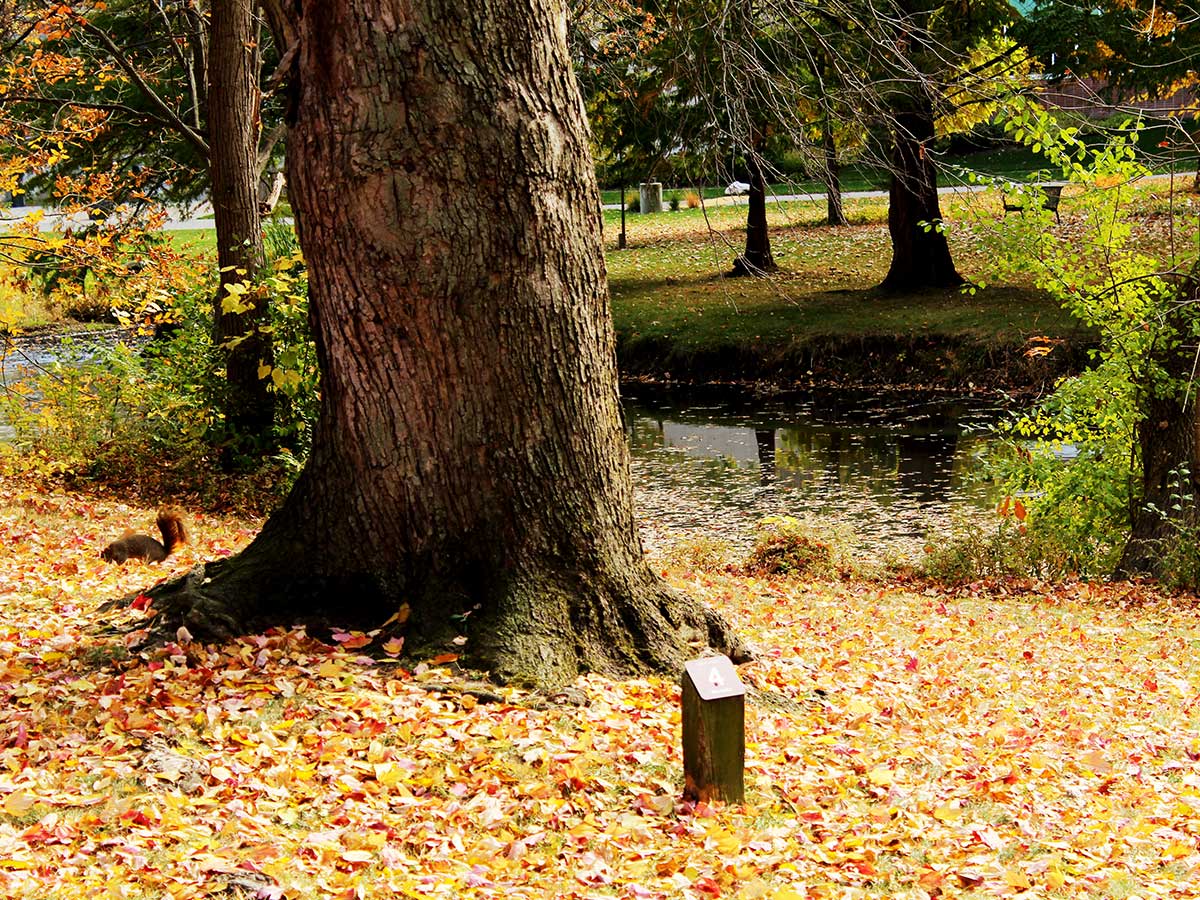
trees, you'll find numbers in each guide that correspond to small signs near the base
of marked trees.
Open to the public and fully accessible, the grounds feature over 85 marked specimens,
as listed in the printable campus tree guide. Visitors can explore Aquinas College’s botanical diversity through an interactive tree map developed by Aquinas College Geography and Environmental Studies students. To identify
trees, you'll find numbers in each guide that correspond to small signs near the base
of marked trees.
In addition to featuring native trees, the collection includes 36 memorial trees and a variety of striking exotic species, such as Dawn Redwood (Metasequoia glyptostroboides), Ginkgo (Ginkgo biloba), Purple Beech (Fagus sylvatica), and Saucer Magnolia (Magnolia soulangiana).
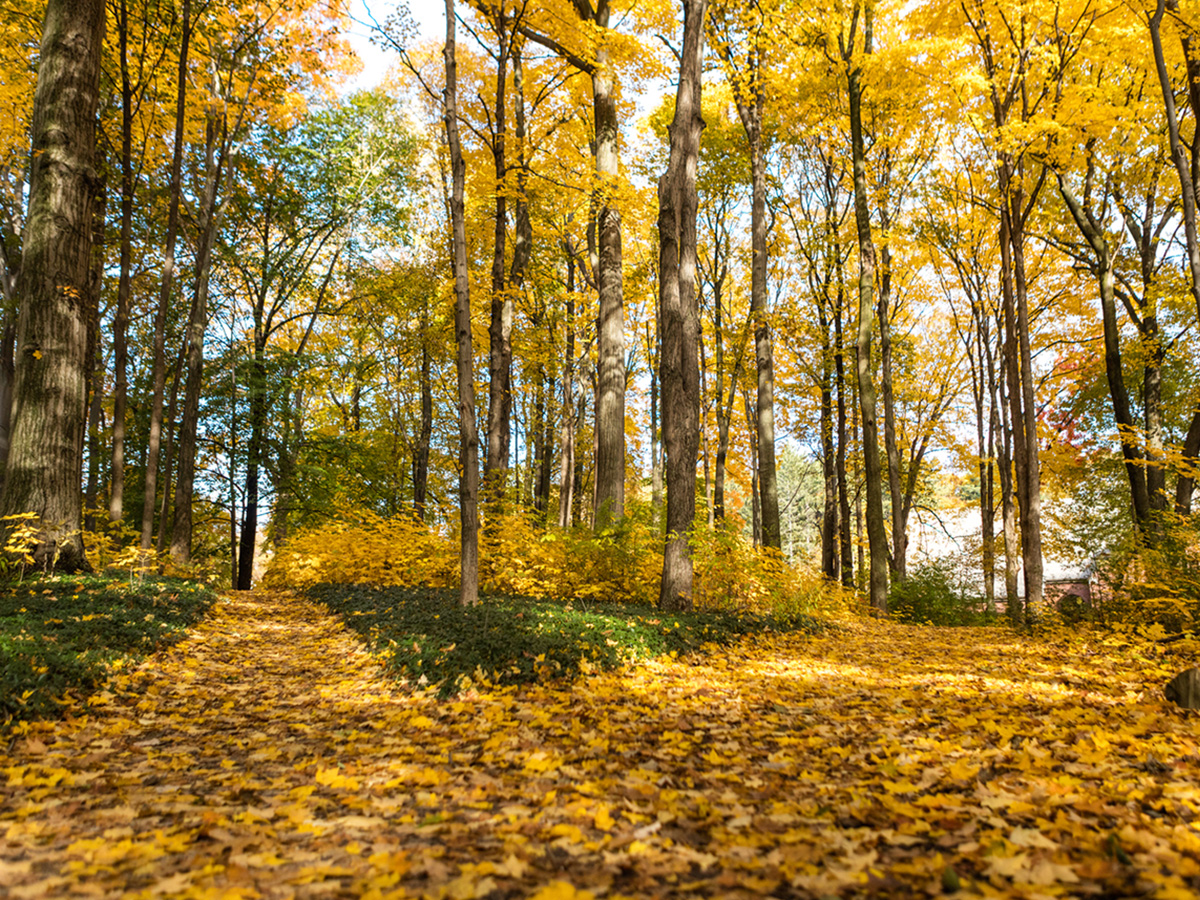
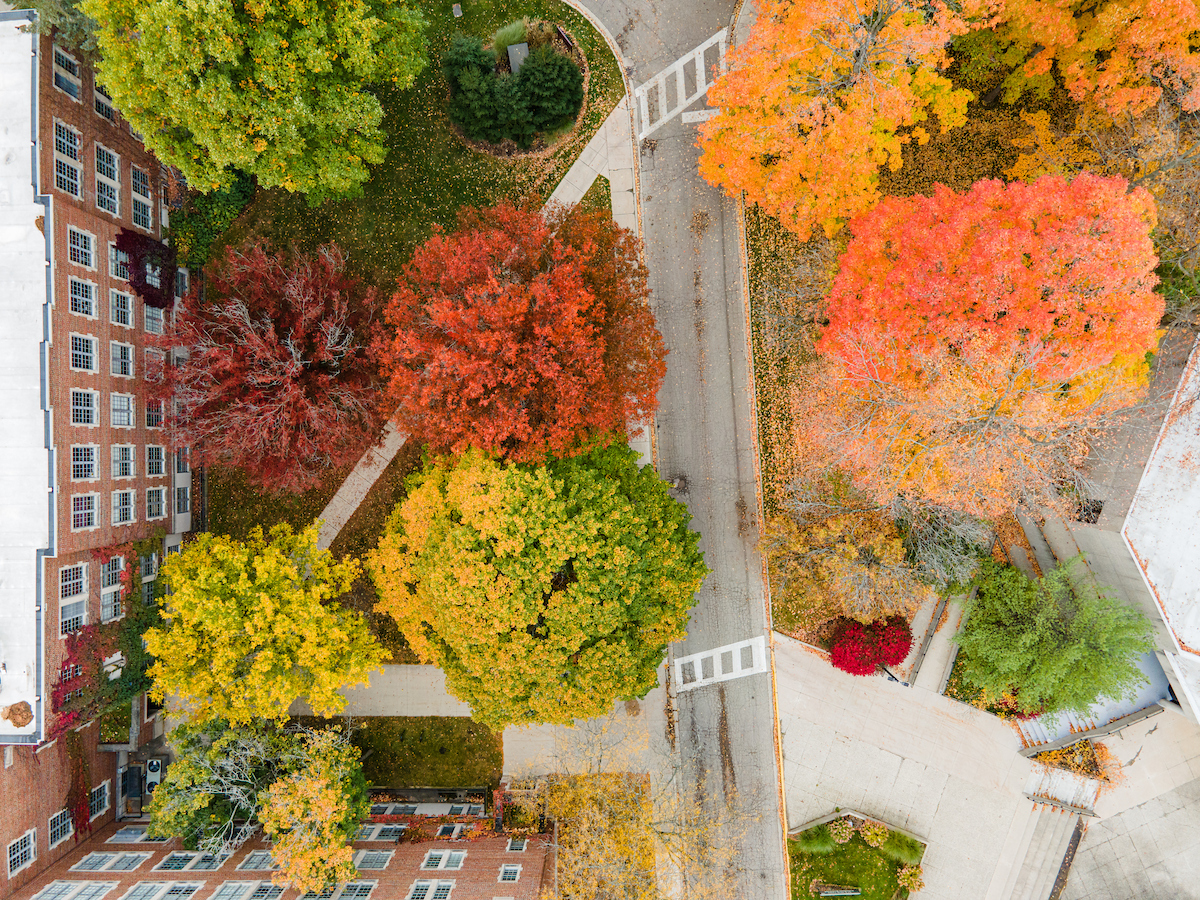
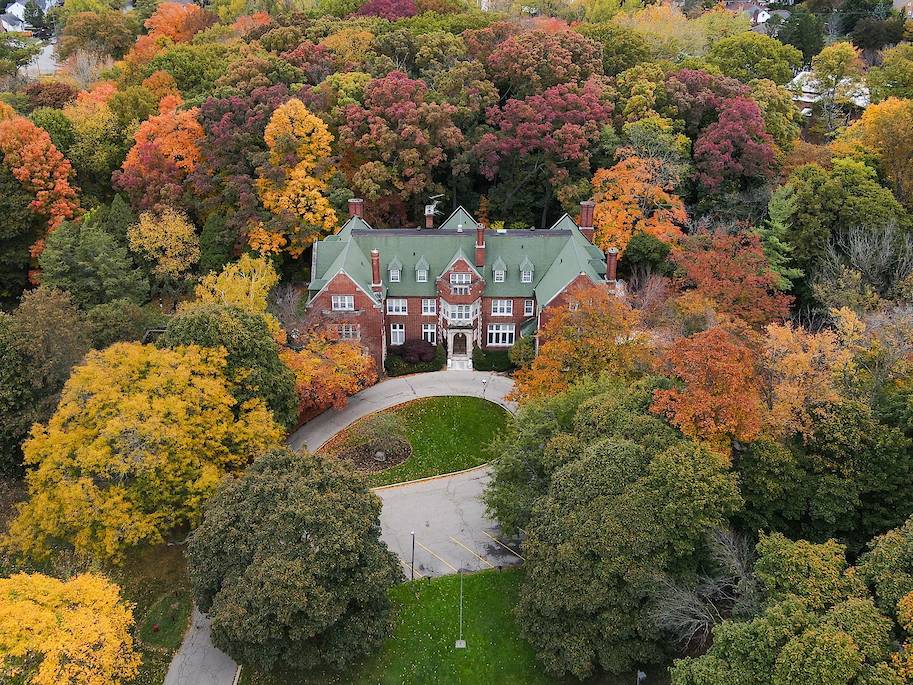
Spanning 100 acres of lush, curated landscape, the entire campus qualifies as an arboretum showcasing native and exotic flora. At its heart lies the historic Holmdene Gardens, a 1922 masterpiece designed by renowned landscape architect Ellen Biddle Shipman.
 Achieving arboretum accreditation turns the Aquinas College campus into a "living
laboratory." This formalizes our commitment to the environment and provides a space
for student research and climate action. By documenting our urban forest, we offer
a serene sanctuary for mental well-being and a hands-on classroom for new learners.
This milestone celebrates the hard work of our community and invites the public to
explore the beauty and ecological value of our shared landscape.
Achieving arboretum accreditation turns the Aquinas College campus into a "living
laboratory." This formalizes our commitment to the environment and provides a space
for student research and climate action. By documenting our urban forest, we offer
a serene sanctuary for mental well-being and a hands-on classroom for new learners.
This milestone celebrates the hard work of our community and invites the public to
explore the beauty and ecological value of our shared landscape.
Viewing the Trees
Staff routinely provide leaf and tree identification tours to the public. Contact leaftour@aquinas.edu to schedule a guided tour of the Aquinas College Urban Arboretum.
You are welcome to do a self-guided tour, using either the printable campus tree guide or interactive tree map. Bring comfy shoes and a willingness to explore! The Aquinas College campus is open every day, rain or shine. There is no cost to enter or park on campus.
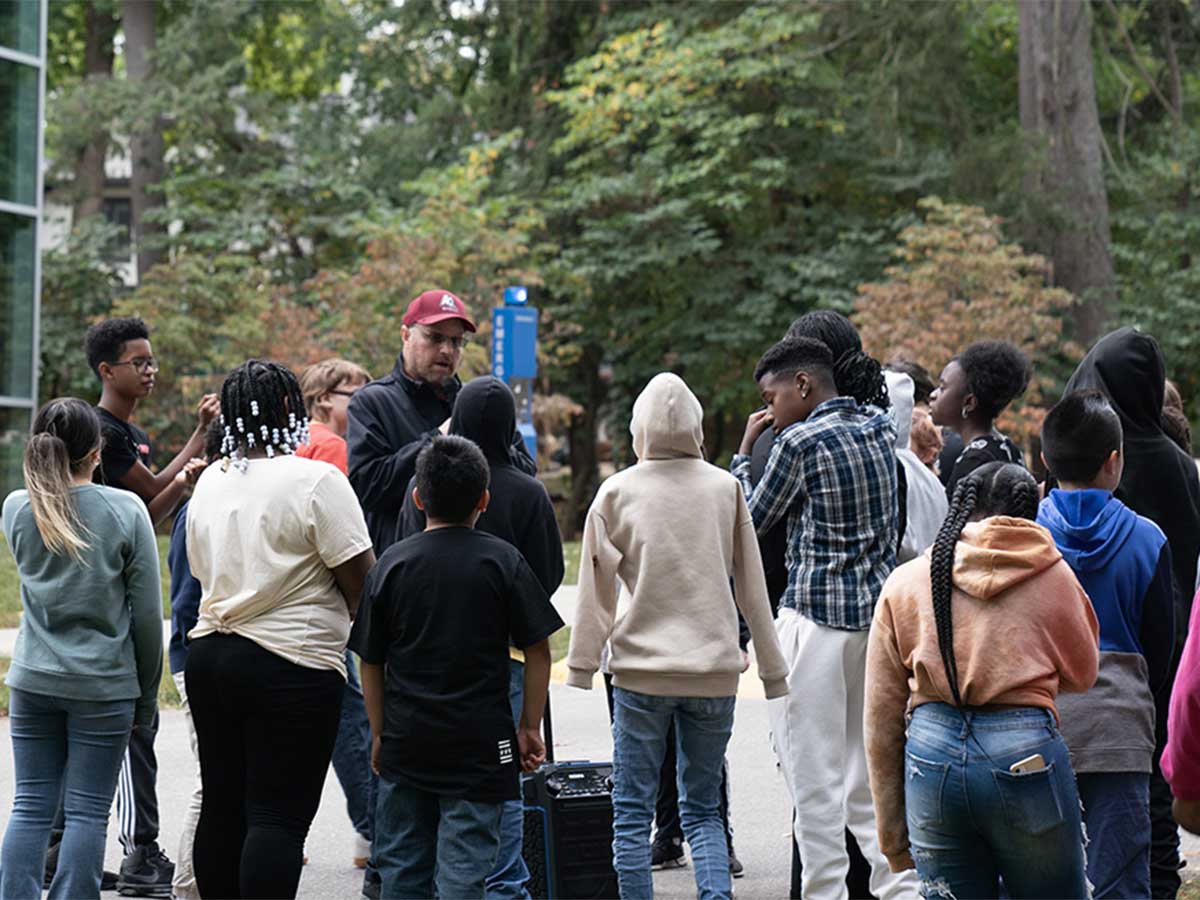
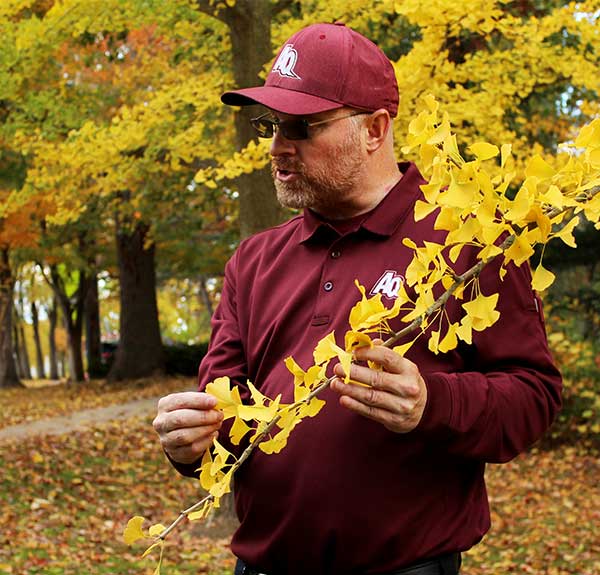 During September and October, Aquinas College offers FREE tree & leaf tours on campus.
All faculty, staff, students, and community members are invited to tour the beautiful
trees on campus and see the fall colors in style...by golf cart!
During September and October, Aquinas College offers FREE tree & leaf tours on campus.
All faculty, staff, students, and community members are invited to tour the beautiful
trees on campus and see the fall colors in style...by golf cart!
During these 60-minute tours, Ryan Wendt — our campus historian — will introduce you to over 100 species of trees and share several interesting facts about each tree. Ryan will also cover a brief history of our campus woodlands.
RSVP is required to leaftour@aquinas.edu, as each scheduled tour has a maximum attendance of 5 people. Larger tours can also be scheduled, but will be walking tours. Tours will begin outside Campus Safety. Private tours are also available by contacting the email above.
Educators interested in bringing their class to campus for a leaf tour can also email for more information.
Location
The main entrance to Aquinas College is at 1700 Fulton Street E, Grand Rapids, Michigan.
Tree Tours
Campus Safety
(616) 632-8900
 In April 2011, The Morton Arboretum launched ArbNet and arbnet.org, an interactive community of arboreta and tree professionals designed to support
the common purposes and interests of tree-focused public gardens. The Arboretum Accreditation
Program was established through ArbNet at the same time to provide specific standards
of professional practice, and offers four levels of accreditation. In tandem, they
created the Morton Register of Arboreta—a global database of arboreta and other public
gardens that have a substantial focus on woody plants.
In April 2011, The Morton Arboretum launched ArbNet and arbnet.org, an interactive community of arboreta and tree professionals designed to support
the common purposes and interests of tree-focused public gardens. The Arboretum Accreditation
Program was established through ArbNet at the same time to provide specific standards
of professional practice, and offers four levels of accreditation. In tandem, they
created the Morton Register of Arboreta—a global database of arboreta and other public
gardens that have a substantial focus on woody plants.
The Aquinas College Urban Arboretum was accredited in February 2026, and is in effect until February 2031.
Since its inception, ArbNet has accredited over 800 arboreta across 40 countries. In 2022, ArbNet was honored with the American Public Gardens Association Program Excellence Award. Into the next decade, ArbNet will engage its large and growing audience by continuing to support gardens in reaching their professional goals and milestones, sharing best practices and resources, improving urban forestry by supporting municipal tree collections, building capacity for smaller arboreta through grants and professional opportunities, establishing arboreta in biodiversity hotspots to facilitate conservation, supporting tree conservation efforts through partnership and networks, and finally, supporting scientific and horticultural research in arboretum collections of all sizes.
The ArbNet program is unique and impactful, which can be seen by its global footprint and diversity of arboreta. ArbNet supports a greener, healthier, and more beautiful world.
ArbNet’s founding organization, The Morton Arboretum, is an internationally recognized tree-focused botanical garden and research center. Its 1,700 acres of beautiful tree-filled landscapes are a place of enjoyment, a vibrant hub for nature education, and a world-renowned center for scientific research that studies trees and how to sustain them. As a nonprofit organization, The Morton Arboretum’s mission is to collect, study, display, and conserve trees and other plants from around the world to inspire learning, foster enjoyment, benefit communities, encourage action, and enhance the environment.